
T. Philip Nichols
Associate Professor • Baylor University
I study how technology reshapes the ways we learn, teach, and talk about literacy—and the implications for equitable public education.
My work follows educational technologies from the hype cycle into the classroom, using historical, ethnographic, and design-based research methods to investigate where these systems came from, what assumptions they carry with them, and what more just alternatives could look like.
Writing and commentary in







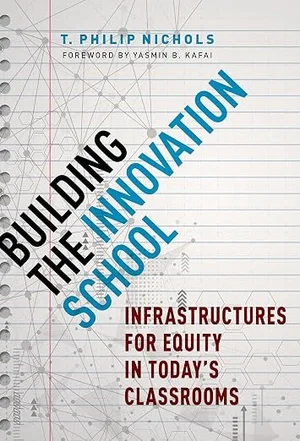
Building the Innovation School
Based on five years inside a public high school rebuilt around makerspaces, design thinking, and personalized technology, this book challenges the conventional story of how educational transformation happens. It argues that the popular understanding of "innovation" deepens inequality and erodes teacher and student autonomy—and offers a framework for innovating from below, where change begins with the values and priorities of educators and communities rather than with new devices.
“The hype around 'innovation’ in education requires our careful, critical attention—this exceptionally well-written study is a great place to start.” Neil Selwyn, Monash University
“The field of education has been waiting for Building the Innovation School, by T. Philip Nichols. Written in an engaging conversational tone, yet deeply informed theoretically and empirically, Nichols’s groundbreaking scholarship examines the tensions of educational reform initiatives driven by entrepreneurial models. It also provides a paradigm-shifting conceptual framework for understanding the possibilities of innovation in a manner attentive to issues of power, social justice, and the public good. It is a book that deserves to be widely read by anyone invested in creative schools that build off of the cultural wealth of communities.” Gerald Campano, University of Pennsylvania
Teachers College Press →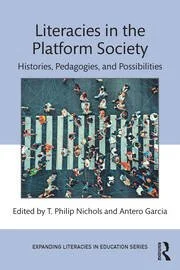
Literacies in the Platform Society
Digital platforms are now an unavoidable part of the literacy and education ecosystem. Bringing together scholars working across a range of contexts, this collection examines the social, technical, and economic complexities of platform technologies and how they have remade the teaching and learning of reading and writing—along with the histories that produced them and the possibilities that remain open.
"This book and its collection of chapters provide rich entry points to understand the need for a more expansive view of literacy—new literacies in a time of the expansion of platformization." Kris D. Gutiérrez, Berkeley School of Education
Routledge →Media, speaking, and collaboration
I regularly talk with journalists, districts, schools, and conference audiences about AI, edtech, literacy education, and school reform. I am available for interviews, and am currently booking keynotes and workshops for the 2026–27 academic year.